

Filing a personal injury lawsuit in California requires careful preparation and specific documentation. The process begins with a formal complaint and continues through various mandatory court forms and evidence compilation. Plaintiffs must navigate strict deadlines while assembling medical records, accident reports, and economic damage documentation. Understanding these requirements is essential, as procedural errors can jeopardize even the strongest cases. The following information outlines exactly what paperwork California courts demand and why each document matters to a successful claim.
The Initial Complaint and Summons
To initiate a personal injury lawsuit in California, plaintiffs must first file a formal complaint and summons with the appropriate court. The complaint outlines the legal basis for the lawsuit, including the facts of the incident, alleged negligence, and damages sought. This document establishes jurisdiction and provides defendants with notice of the claims against them.
California’s filing procedures require submitting the original complaint along with the required filing fee to the court clerk. Once filed, the summons must be properly executed by serving defendants according to state law. This can be accomplished through personal service, substituted service, or other court-approved methods depending on the circumstances.
Proper documentation and adherence to procedural requirements are critical, as errors may result in dismissal or delays in proceeding with the case.
Civil Case Cover Sheet and Related Forms
Almost universally, plaintiffs must complete a Civil Case Cover Sheet (Judicial Council form CM-010) when filing a personal injury lawsuit in California. This mandatory document categorizes the case type and helps determine court jurisdiction and case management procedures.
In addition to the cover sheet, plaintiffs typically need to complete several related forms, including: – Alternative Dispute Resolution (ADR) information package – Notice of Case Assignment – Summons Attachment for additional parties (if applicable) – Statement of Damages (for personal injury cases)
These forms require accurate party details, including complete names and addresses of all plaintiffs and defendants. The court relies on this information to establish proper jurisdiction and guarantee all parties receive due notice of proceedings. Incomplete or inaccurate forms may delay case processing or result in rejection.
Evidence Documentation Requirements
While filing the required court forms initiates the legal process, proper documentation of evidence forms the foundation of a successful personal injury claim in California. Plaintiffs must systematically compile medical records, accident reports, photographs, and correspondence related to the incident.
Evidence preservation becomes critical immediately following an injury. Contemporaneous documentation of physical injuries, property damage, and accident scenes considerably strengthens a case. California courts place substantial weight on medical documentation that establishes a clear causal relationship between the defendant’s actions and the plaintiff’s injuries.
Witness credibility also hinges on proper documentation. Written statements should be collected promptly, as memories fade over time. Expert witnesses may require specialized documentation, including professional credentials and detailed reports that support their testimony regarding liability, damages, or injury severity.
Medical Records and Treatment History
Medical records form the cornerstone of any personal injury claim in California, requiring plaintiffs to compile a detailed treatment timeline from the initial emergency care through ongoing rehabilitation. Authorization forms must be properly executed to grant legal representatives access to protected health information across all providers who treated the injury. Maintaining thorough documentation of all medical expenses, including bills, insurance explanations of benefits, and out-of-pocket costs, creates a clear financial picture of the injury’s economic impact.
Treatment Timeline Documentation
How thoroughly a plaintiff documents their medical treatment can profoundly impact the outcome of a personal injury lawsuit in California. Courts and insurance companies rely on well-organized chronologies that demonstrate the direct relationship between the injury and subsequent care.
An effective treatment timeline includes dates of all provider visits, diagnostic tests, surgeries, and therapy sessions. Treatment progress updates should be meticulously maintained, noting improvements, setbacks, and medical recommendations. This documentation creates a clear rehabilitation timeline that connects the incident to specific treatments and outcomes.
Plaintiffs should request itemized records after each medical encounter and maintain a personal journal tracking pain levels, mobility issues, and emotional impacts. These contemporaneous notes strengthen causation arguments and help quantify non-economic damages when presented alongside official medical documentation.
Provider Authorization Forms
To access a patient’s complete medical history, personal injury plaintiffs must obtain and submit proper provider authorization forms for each healthcare facility involved in their treatment. These HIPAA-compliant documents give attorneys legal permission to request and review confidential medical records essential to establishing the claim’s validity.
California law requires specific authorization language that details the scope of records being requested and the purpose for disclosure. Effective physician collaboration often hinges on properly executed authorizations that specify exactly which records are needed. Most facilities will not release treatment documentation without these signed forms.
The treatment authorization process typically includes forms for hospitals, primary care physicians, specialists, and rehabilitation facilities. Plaintiffs should complete these forms promptly to prevent delays in case preparation and to meet statutory filing deadlines.
Injury Cost Records
Thorough documentation of injury-related expenses forms the foundation of any successful personal injury claim in California. These records establish the financial impact of the accident and justify the compensation sought. Plaintiffs should maintain detailed medical cost summaries from all healthcare providers, including emergency services, hospital stays, surgeries, medication costs, and rehabilitation expenses.
Beyond medical expenses, accident expense records should document other financial consequences such as property damage, transportation to medical appointments, medical equipment purchases, and lost wages due to inability to work. California courts require these documents to be properly organized, authenticated, and directly linked to the injuries sustained in the accident. Insurance companies scrutinize these records carefully, making meticulous documentation essential for maximizing the potential settlement or court award.
Police and Incident Reports
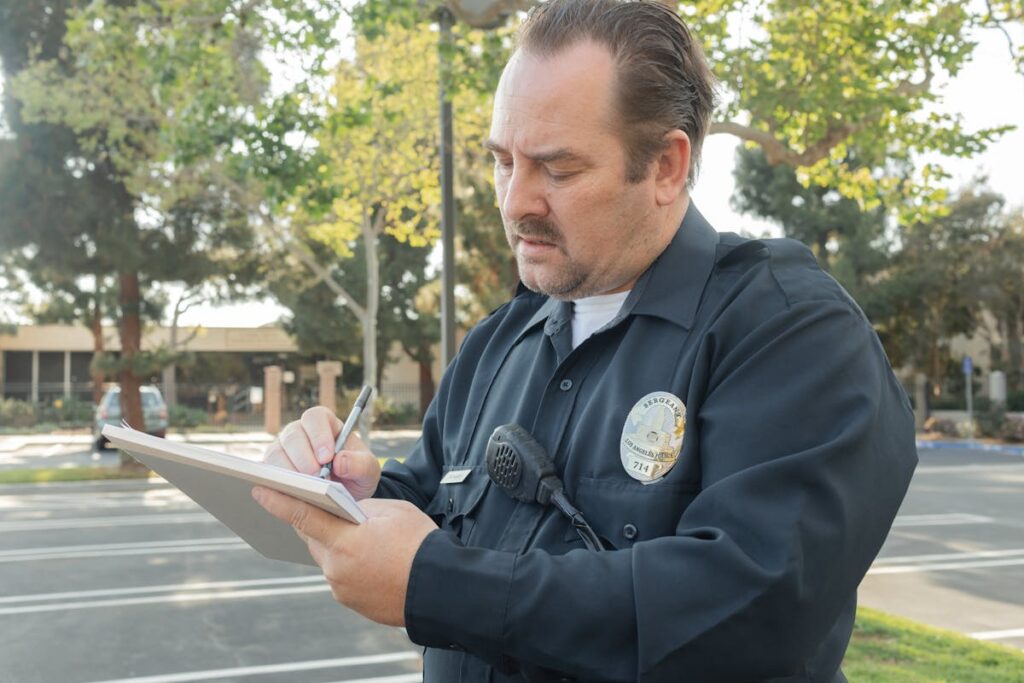
Police and incident reports serve as critical documentation that establishes the factual basis of a personal injury claim in California. These official records provide an objective account of what occurred, including details about parties involved, witness statements, and preliminary assessments of fault or liability. Ensuring these reports accurately reflect the circumstances of the incident is essential, as discrepancies or errors may profoundly impact the viability and strength of a lawsuit.
Obtaining Incident Documentation
A critical foundation for any personal injury lawsuit in California lies in securing thorough documentation of the incident. Plaintiffs should request official police reports immediately after accidents, as these documents contain vital details about the circumstances, parties involved, and preliminary determinations of fault.
When gathering accident details, individuals should obtain copies of all incident reports filed with relevant authorities, businesses, or property owners. This documentation serves as objective evidence of the event’s occurrence and conditions. Additionally, preserving evidence such as photographs of injuries, property damage, and accident scenes strengthens the claim’s credibility. Medical records documenting treatments received immediately following the incident provide essential links between the accident and resulting injuries—a causal connection that insurance companies and opposing counsel often challenge.
Report Accuracy Matters
When reviewing police and incident reports, accuracy serves as a cornerstone for building a successful personal injury case in California. Attorneys meticulously examine these documents for inconsistencies or errors that could undermine a claim. Data reliability directly impacts how judges and insurance adjusters perceive the validity of injuries and liability.
If discrepancies exist in official reports, plaintiffs should address them promptly by filing amendments or supplemental statements. Information accuracy in medical documentation must align with incident reports to establish causation between the accident and resulting injuries.
This verification process often requires comparing witness statements against official documentation. California courts place significant weight on contemporaneous documentation, making it essential that all paperwork reflects the true nature and circumstances of the incident without exaggeration or omission.
Documentation of Economic Damages
Every successful personal injury claim hinges on thorough documentation of economic damages—tangible financial losses directly resulting from the injury. California courts require essential evidence of these costs before awarding compensation.
Plaintiffs must gather medical records including bills, treatment plans, medication receipts, and rehabilitation costs. Income loss documentation is equally pivotal—pay stubs, employment records, and statements from employers verifying missed work and earnings potential provide indispensable proof of financial impact. For self-employed individuals, tax returns and business records may demonstrate income disruption.
Property damage evidence, including repair estimates, replacement costs, and photographs of damaged items, must be meticulously organized. Insurance correspondence relating to any aspect of the claim should also be preserved, as these documents establish the timeline and extent of economic hardship caused by the injury.
Statute of Limitations Filing Deadlines
Time constraints pose critical legal barriers for personal injury plaintiffs in California. The state generally enforces a two-year deadline from the date of injury for filing personal injury lawsuits, with only one year allowed for claims against government entities. Missing these deadlines typically results in permanent claim dismissal.
Several circumstances may trigger statute of limitations extensions. The discovery rule delays the clock until the plaintiff reasonably discovers their injury. Statute of limitations tolling applies when the injured party is a minor or mentally incapacitated, effectively pausing the countdown until these conditions change. Additional tolling provisions exist when defendants leave the state or conceal themselves.
Attorneys must carefully document when tolling provisions apply, as courts require substantiating evidence to justify deadline extensions.
Expert Witness Declarations and Testimonies
Personal injury cases in California often hinge on expert witness documentation, which provides specialized knowledge critical to establishing liability and damages. These professionals must submit sworn declarations detailing their qualifications, methodologies, and conclusions before trial proceedings commence.
California law requires expert testimony quality to meet stringent standards under Evidence Code Section 720, which mandates witnesses demonstrate sufficient knowledge, skill, and education in their field. Attorneys must file Form FL-326 for court-appointed experts, alongside curriculum vitae and fee schedules.
Expert witness selection represents a strategic decision with significant case implications. Medical specialists, accident reconstructionists, economists, and vocational rehabilitation experts provide testimony that translates complex concepts into understandable evidence. Their written declarations must be filed with the court before the expert can testify at trial.
Alternative Dispute Resolution Forms
Where litigation proves costly and time-consuming, Alternative Dispute Resolution (ADR) forms offer California plaintiffs efficient pathways to resolve personal injury disputes outside traditional courtrooms. These documents facilitate structured negotiation processes while maintaining legal protections for all parties involved.
Key ADR paperwork includes mediation agreements outlining the voluntary, non-binding nature of the process, confidentiality provisions, and mediator selection criteria. For binding resolutions, plaintiffs should prepare arbitration submission forms that specify the scope of issues to be resolved and procedural rules to be followed.
Many insurance contracts contain arbitration clauses that may require completion of ADR request forms before proceeding to litigation. California courts typically require proof that parties have considered ADR options through form ADR-100, which documents the plaintiff’s willingness to engage in alternative resolution methods.
Frequently Asked Questions
Can I File My Personal Injury Lawsuit Without an Attorney?
Individuals can file personal injury lawsuits without legal representation in California. However, maneuvering complex procedures, gathering medical records, and negotiating settlements typically requires expertise that attorneys provide, potentially affecting case outcomes and compensation amounts.
How Much Does It Cost to File a Personal Injury Lawsuit?
Filing a personal injury lawsuit involves court filing fees ranging from $225-$435 in California. Legal representation costs vary considerably, typically operating on contingency fees of 25-40% of the settlement amount, payable only upon winning.
Will My Case Definitely Go to Trial?
Not all personal injury cases go to trial. Many resolve through out of court settlements during pre-trial negotiations. The likelihood depends on case specifics, liability clarity, and whether both parties can reach acceptable terms.
Can I Sue if I Was Partially at Fault?
In California, individuals can pursue a lawsuit even if partially at fault. The state follows “pure comparative negligence,” allowing recovery of damages reduced by one’s percentage of fault, unlike states with contributory negligence that bars recovery entirely.
How Long Does a Personal Injury Lawsuit Typically Take?
Personal injury lawsuits typically take 6-18 months in California, depending on case complexity. Settlement negotiations can expedite resolution, while complex cases requiring trial may extend beyond the two-year statute of limitations deadline.